What the CelluCare Label Actually Lists
The supplied Supplement Facts image provides the most useful starting point for an ingredient review. One serving is one capsule, with 30 servings per container. Four nutrients have individual amounts, and a thirteen-component plant-based proprietary blend has a combined quantity of 528 mg.
| Vitamin C | 90 mg (100% DV) |
|---|---|
| Vitamin D | 25 mcg (125% DV) |
| Magnesium | 20 mg (5% DV) |
| Chromium | 100 mcg (286% DV) |
| Proprietary botanical blend | 528 mg in total; individual ingredient amounts not stated |
| Capsule and other ingredients | Hypromellose (vegetable capsule), microcrystalline cellulose, magnesium stearate, stearic acid and silicon dioxide |

Eight Botanicals Featured on the Seller Page
The sales material features eight plant photographs. These images are descriptive illustrations and do not specify the dose, quality standard or clinical effects of each extract.
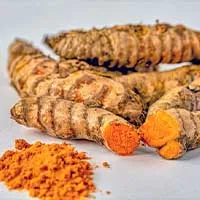
Turmeric Rhizome
A familiar botanical studied for its curcuminoid compounds. Its presence on the label does not establish a CelluCare-specific clinical outcome.
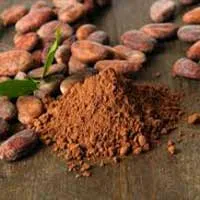
Cocoa Bean Extract
Cocoa contains flavanols examined in vascular and metabolic research; clinical results depend on formulation and amount.
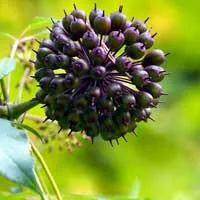
Eleuthero Root
Also called Siberian ginseng, this botanical is traditionally used for resilience and energy; stronger finished-formula evidence is needed.
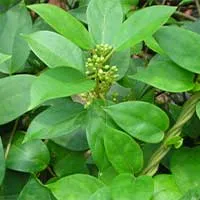
Gymnema Leaf
A botanical studied in glucose-related research. Discuss potential interactions with prescribed glucose-lowering medicines.
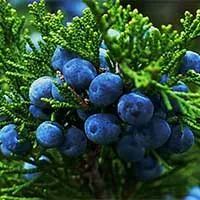
Juniper Berry
Included as a botanical ingredient. The label does not disclose its individual quantity or a tested CelluCare outcome.
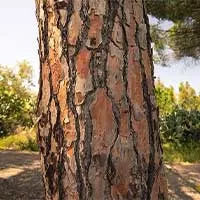
Pine Bark Extract
Contains plant polyphenols. Findings about particular extracts should not be automatically applied to proprietary blends.
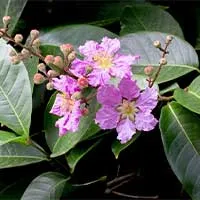
Banaba Leaf Extract
Often researched for corosolic acid and metabolic questions, but the specific amount and extract standardization here are undisclosed.
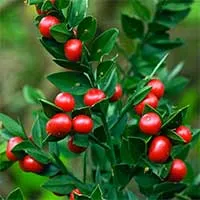
Butcher’s Broom Root
Traditionally associated with circulatory wellness. It is only one constituent of the listed proprietary blend.
The Full Proprietary Blend
The label names the following thirteen components in its 528 mg blend. Ingredients are written below in label-style order; individual serving amounts are not published.
- Turmeric rhizome; cocoa bean extract; berberine hydrochloride; gymnema leaf; cinnamon bark; olive leaf extract; eleuthero root extract.
- Juniper berry; pine bark extract; bitter melon fruit extract; banaba leaf extract; butcher’s broom root extract; guggul resin extract.
These components should not be interpreted as a promise of a particular effect. Some substances—especially berberine and botanicals studied for glucose metabolism—may interact with medicines.
Why Individual Dosages Matter
A proprietary blend tells the purchaser the sum of its ingredients, but not the amount of each one. Research involving a specific plant at a particular dose may not translate to an unknown quantity inside a combination capsule. The amount and extraction method can influence both efficacy and tolerability.
Look for independently accessible formula trials, quality documentation and a current label. If you have an allergy, are pregnant or breastfeeding, or take regular medicine, bring the label to a clinician or pharmacist before use.
How to Verify the Label Before Buying
- Open the current vendor sales page through the affiliate CTA and view the label in full size.
- Confirm the one-capsule serving instruction and the ingredient list on the actual product when delivered.
- Ask the manufacturer about potential allergens and interactions if something on the label concerns you.
- Do not infer a dose from a photograph, marketing paragraph, or study on an unrelated formulation.
For context on supplement study quality, read our research guide.
Sources & verification
Links below help distinguish seller information from independent health guidance. External material can change.
Ready to check current CelluCare options?
Compare the latest CelluCare package details with the seller before placing an order.
View Official CelluCare Options